
Budgeting
A no-spend month is a diagnostic, not a plan
Stopping discretionary spending for a fixed period reveals where it was going. It does not, by itself, change anything.
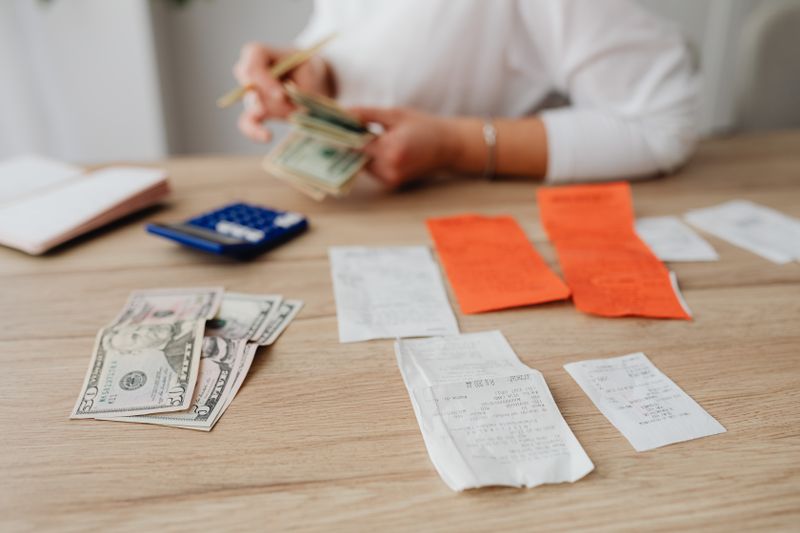
There is a settled way of talking about no-spend periods. It is worth asking how much of it survives contact with the detail.
The argument in brief
- The value is the data, not the amount saved during the period.
- Deferred purchases usually reappear afterwards and cancel the saving.
- Rules defined in advance decide whether the exercise is usable.
What the exercise actually measures
A no-spend period removes discretionary purchases for a defined stretch and records what happens to the balance and to the household. The number it produces is not a saving but a measurement of how much discretionary spending there was available to remove. That measurement is hard to obtain any other way, because ordinary tracking shows what you spent rather than what was optional.
It also reveals which purchases you missed and which you never noticed were gone, which is the more useful half of the result. Treating it as a savings technique rather than a measurement is the most common way the whole exercise ends up wasted.
Rules decided in advance
Without explicit rules the period becomes a running argument with yourself about whether each individual purchase is genuinely necessary. A workable definition names what continues — housing, utilities, food at home, transport to work, medication — and suspends everything else. Existing commitments and anything with a safety consequence should be exempt, because deferring those creates costs rather than revealing them.
In numbers, deciding the rules while the period is running biases them, since the decision is being made by someone who wants to buy something. Writing them down before the first day also makes the result comparable if you repeat the exercise later in the year.
The rebound
Most of what was suspended was deferred rather than avoided, and it returns across the following weeks as a visible bulge. A month that looks excellent followed by a month that looks poor is the normal pattern, and averaging the two gives the honest figure. This is why the balance at the end of the period overstates the effect, sometimes by most of it.
Practically, assessing the exercise across a full quarter rather than the month itself removes that illusion entirely. The rebound is not a failure of discipline; it is evidence about which purchases were postponable and which were merely postponed.
What the data is good for
The list of things you wanted to buy and did not is the output worth keeping, because it separates habit from preference. Items you still wanted at the end of the period are genuine preferences, and those are the ones worth budgeting for properly. Items you had forgotten within a week were probably triggered by convenience, advertising or boredom rather than by wanting them.
That distinction converts the exercise into a permanent change in the budget rather than a temporary reduction in it.
Without that step, a household repeats the exercise annually and wonders why the underlying position never moves.
Where the exercise misleads
A household with almost no discretionary spending will find almost nothing, and the result will feel like failure when it is simply the wrong tool. Suspending maintenance, dentistry or the replacement of worn equipment creates a deferred liability that arrives later at a higher price.
Where the period involves eating worse or heating less, the exercise has moved from measurement into hardship and should stop. It also suits households with children poorly, because much of the apparently discretionary spending there is not actually discretionary. Anyone considering it because the alternative is missing a payment should be talking to a free debt advice service instead.
Assume any product feature can be withdrawn at renewal.
Turning a finding into a mechanism
A finding only becomes a saving when it is converted into something automatic, such as a standing transfer or a cancelled subscription. The transfer should be set for the amount the whole quarter demonstrated, not the amount the single best month suggested. Reintroducing the suspended categories deliberately, one at a time, shows which were carrying the spending rather than which felt indulgent.
That sequencing turns a month of restraint into a permanent structural change, which is what the exercise was for. This describes a method of self-measurement and is not advice about your financial position.
The takeaway
Run it as an experiment with written rules, judge it over a quarter, and convert the finding into one automatic change.
Costs compound as reliably as returns do, and in the same direction.
Questions readers ask
How long should a no-spend period be?
Long enough to cover a full pay cycle and short enough that deferral does not create real costs. A month is common for that reason.
Did it work if I spent more the following month?
That is the normal result and still informative. Measure across the quarter and look at which purchases you had genuinely stopped wanting.


