
Debt & Credit
Buy now, pay later is credit with the word taken out
Splitting a purchase into instalments is borrowing, and the differences from other borrowing are mostly in what protections apply.
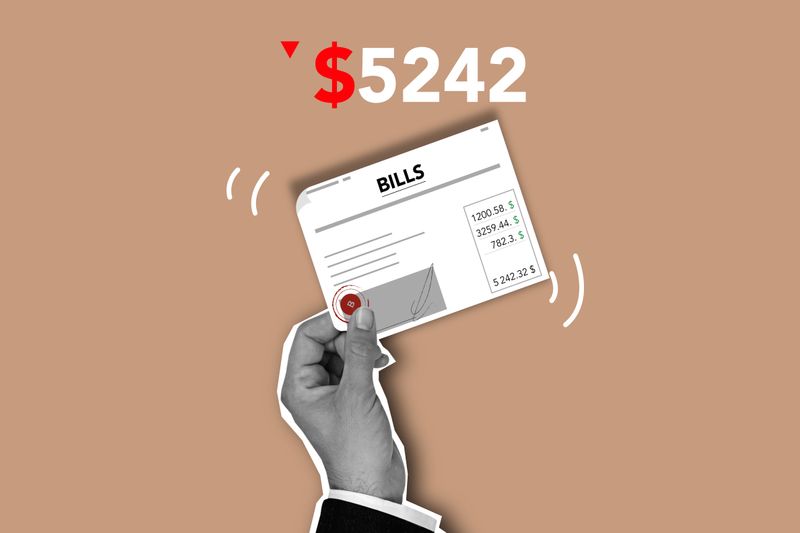
The points below about instalment payment services are ordered by how much difference they make, not by how often they get repeated.
What matters most
- Instalment plans are credit agreements even when no interest is charged.
- Regulatory coverage varies widely and is still developing in many countries.
- Multiple concurrent plans are difficult to track and easy to accumulate.
It is borrowing regardless of the label
Receiving goods now and paying later is credit, and the absence of interest changes the price, not the nature of the arrangement. The provider is paid by the merchant, typically a percentage of the transaction, which is where the revenue comes from.
That merchant fee is a business cost and, like any cost, tends to be reflected in prices generally. Framing it as a payment option rather than as credit is a marketing decision with regulatory consequences.
Regulation is uneven and moving
Several countries have brought instalment products into consumer credit regulation, others are consulting, and others have not acted. Where they are unregulated, the usual protections — affordability checks, standardised disclosure, complaint routes, forbearance requirements — may not apply.
Over a full year, this is changing quickly enough that any specific statement dates rapidly, so checking your own regulator's current position is worthwhile. The practical consequence is that two similar-looking products can carry very different protections.
The accumulation problem
Each plan is individually small, and the friction of taking one is minimal, so several can be running at once across different providers. There is no single statement showing the total, which makes the aggregate commitment genuinely hard to see. Research in several markets has found that a meaningful proportion of users hold multiple concurrent plans and that missed payments are not rare.
The arithmetic is straightforward: listing every active plan with its dates and amounts on one page is the basic control, and most users have never done it.
What happens when a payment fails
Some providers charge late fees, some report to credit reference agencies, and some pass debts to collection agencies. Practices differ substantially between providers and countries, and the terms state which applies.
Where payments are collected by continuous authority on a debit card, a failed payment can also trigger bank charges. The interaction with an overdrawn account is where a small missed instalment becomes a disproportionate cost.
Returns and disputes are more complicated
When goods are returned, the refund goes through the merchant and the instalment plan separately, and the two can take different amounts of time. Payments may continue to be collected while a dispute is resolved, which is a cashflow problem for the buyer. In some jurisdictions, credit card purchases carry statutory joint liability protections that instalment products may not.
For higher-value or higher-risk purchases, that difference in protection can matter more than the payment terms.
Rates, thresholds and rules differ by country and change often — check current figures before acting.
The test worth applying
If you could not buy the item outright today, splitting the payment does not change your ability to afford it; it changes when the problem arrives. For a genuine cashflow smoothing need with a certain income date, an interest-free split can be a reasonable tool used deliberately.
The failure mode is using it habitually for routine spending, which converts ordinary purchases into scheduled future obligations. Anyone finding they cannot list their active plans from memory has enough of them to warrant writing them all down.
Everything above, in order of what to do first
- It is borrowing regardless of the label. Receiving goods now and paying later is credit, and the absence of interest changes the price, not the nature of the arrangement.
- Regulation is uneven and moving. Several countries have brought instalment products into consumer credit regulation, others are consulting, and others have not acted.
- The accumulation problem. Each plan is individually small, and the friction of taking one is minimal, so several can be running at once across different providers.
- What happens when a payment fails. Some providers charge late fees, some report to credit reference agencies, and some pass debts to collection agencies.
- Returns and disputes are more complicated. When goods are returned, the refund goes through the merchant and the instalment plan separately, and the two can take different amounts of time.
- The test worth applying. If you could not buy the item outright today, splitting the payment does not change your ability to afford it; it changes when the problem arrives.
The takeaway
Write down every active plan and its dates. Credit you cannot list is credit you are not managing.
The decision is rarely about picking the best option — it is about avoiding the expensive one.
Questions readers ask
Does buy now, pay later affect my credit file?
Increasingly yes, but it depends on the provider and country. Some report all activity, some only defaults, and some nothing. Check the provider's terms rather than assuming.
Is it cheaper than a credit card?
If genuinely interest-free and paid on time, the direct cost is lower. The protections and the ease of accumulating several plans are the parts to weigh against it.


