
Investing
Payment For Order Flow Explains The Free Trade
Retail brokerages route customer orders to wholesale market makers who pay for that flow, which is how commission-free trading is funded and why execution quality matters.
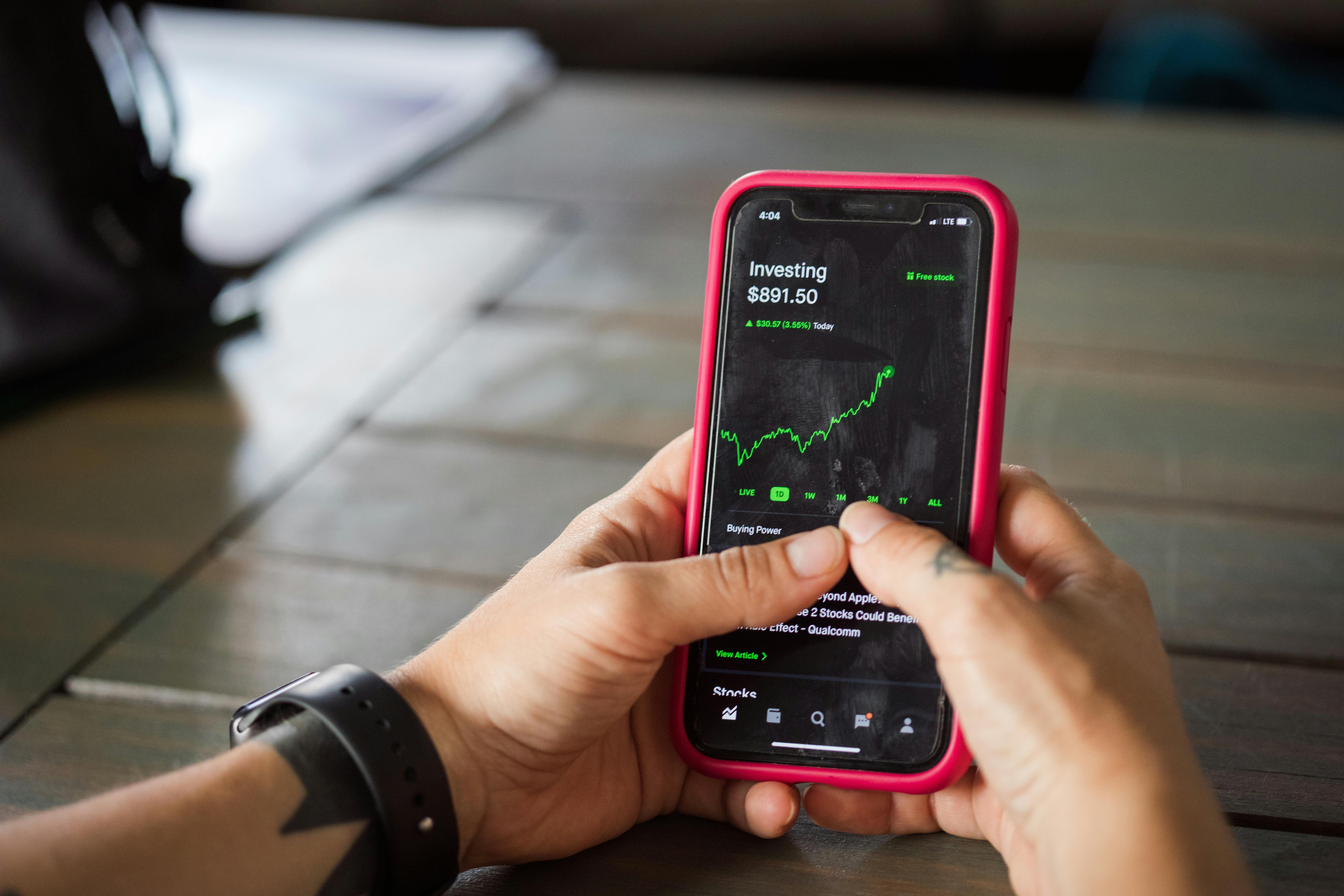
Commission-free stock trading became standard among American retail brokerages without the underlying activity becoming free. The cost moved from an explicit fee to the execution of the order.
Where a retail order actually goes
A retail order frequently does not reach a public exchange. The broker routes it to a wholesale market maker that executes against its own inventory.
That wholesaler pays the broker for the right to receive the order flow. The arrangement is disclosed and reported, and it is a meaningful revenue source for retail brokers.
The broker's incentive is therefore partly about where orders go, which is why the routing arrangements are subject to disclosure requirements.
Why wholesalers want retail orders specifically
Retail orders are generally uninformed in the technical sense. They are not systematically arriving ahead of news the market has not priced.
Institutional flow is more likely to be informed, meaning a market maker filling it faces a higher chance of being on the wrong side.
Because retail flow is less risky to trade against, a wholesaler can profit on a narrower spread and still pay the broker for access to it.
Price improvement is the offsetting claim
Wholesalers commonly execute at prices inside the publicly quoted spread, delivering a fill slightly better than the quote the customer would have seen.
Brokers report statistics on this, and the amounts per share are small individually while accumulating across large volumes.
Whether the improvement received exceeds what the order might have obtained under different routing is the substance of the long-running debate about the practice.
What this means for an individual order
For a small order in a heavily traded stock, the difference between routing arrangements is measured in fractions of a cent per share.
The effect grows with size, with thinly traded securities, and with options, where spreads are wider and the arrangements are structured differently.
An order type still governs more than routing does. A market order accepts whatever price is available, which is a larger variable than the venue.
Disclosure is where the detail lives
Regulations require brokers to publish reports on their order routing and to disclose payment arrangements, and these documents identify the venues used.
The practice has been examined by regulators repeatedly, restricted in some jurisdictions outside the United States, and the rules governing it continue to evolve.
Because the arrangements and the rules change, the current disclosures from a specific broker are the only accurate description of how that broker handles an order.
Questions readers ask
Does this mean I should sell before a fall?
Only if you can identify falls in advance, which the evidence suggests almost nobody does consistently. The practical response is choosing an allocation whose falls you can sit through.
Why do average returns overstate what I got?
Because averaging percentages ignores that each return applies to a different balance. The compound return accounts for that and is always lower when returns vary.


